Nikon Zf - One Month Later
I picked up the Nikon Zf for £1099 brand new on the grey market and honestly, it’s one of the best photography decisions I’ve ever made. Its tactile dials encourage you to slow down and actually think about settings. It has a solid build and feels premium in the hand. The experience is a lot better with a hand grip as it makes it more comfortable to hold. It is heavier than I’d like (710g with the battery and SD card) but it’s not a deal breaker.
The 24.5 megapixel full frame sensor has strong dynamic range and pretty clean performance in low light. The files hold up well in editing and 24 megapixels is more than enough for the majority of users. Coming from the higher megapixels of the Fujifilm X-T5 and Leica Q2 I thought 24 megapixels wouldn’t be enough but I was wrong.
Nikons autofocus system has come a long way. I absolutely love the subject detection, it works reliably for people, animals and general scenes. It’s not the fastest action camera in Nikons lineup but that’s not what I’d be using for anyhow. If I wanted speed and power I’d buy the Z8 or Z9.
The Nikon Zf is not trying to be a sports photography powerhouse. Instead, it’s aimed at photographers who care about the experience as much as the results. If you enjoy manual control, classic styling and a more intentional way of shooting, this camera makes a lot of sense. It’s especially appealing for street photographers, travel shooters and anyone who misses the tactile feel of older film cameras.
But the most surprising thing for me about the Nikon Zf is how it’s encouraged me to shoot on manual lenses.
What makes manual focusing practical on the Zf is the support tools. Focus peaking highlights sharp edges in real time and you can pick the colour of the highlighted edges to suit you. My favourite feature though, is the magnification button it lets you punch into the scene and fine tune focus making sure your shots are sharp every time.
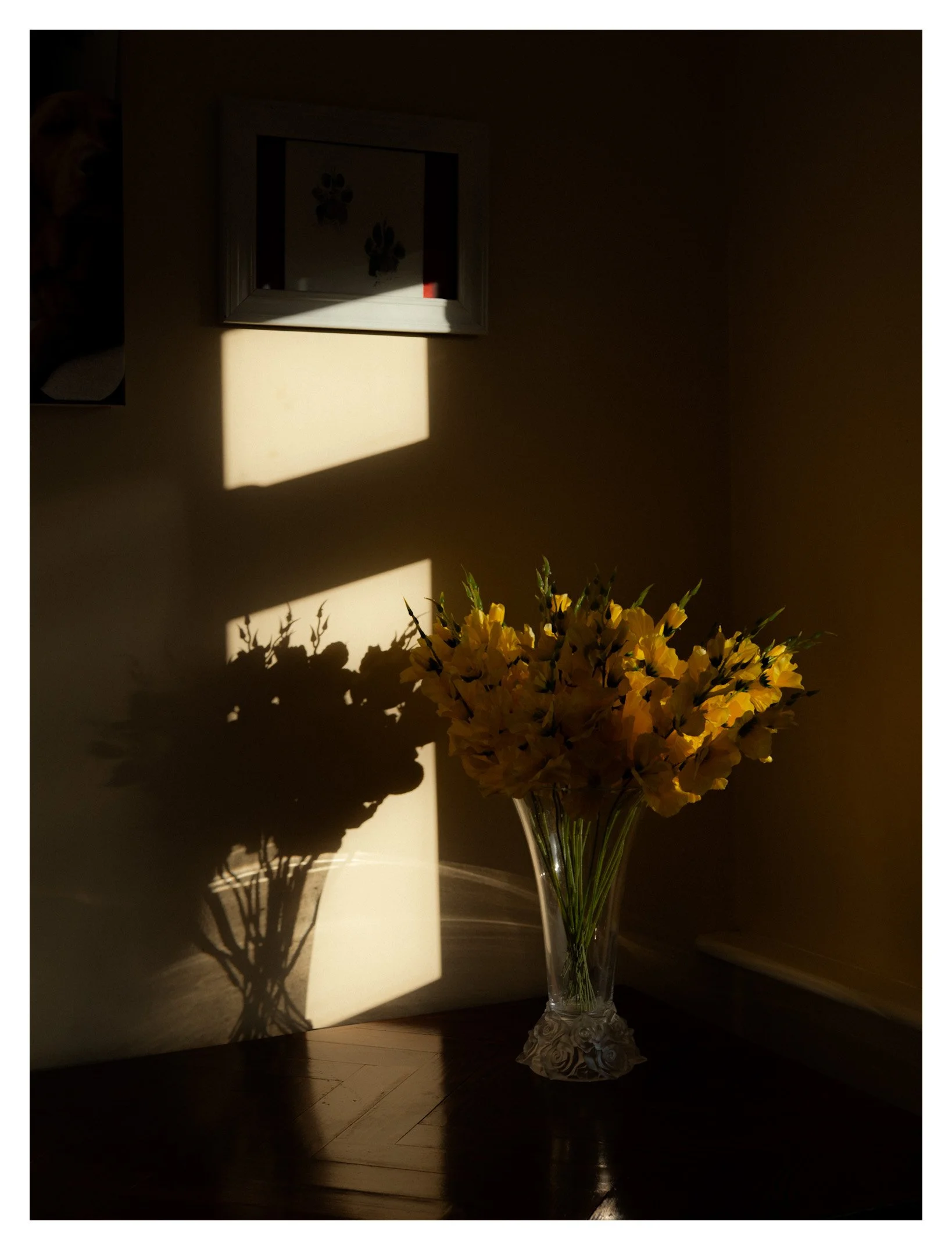
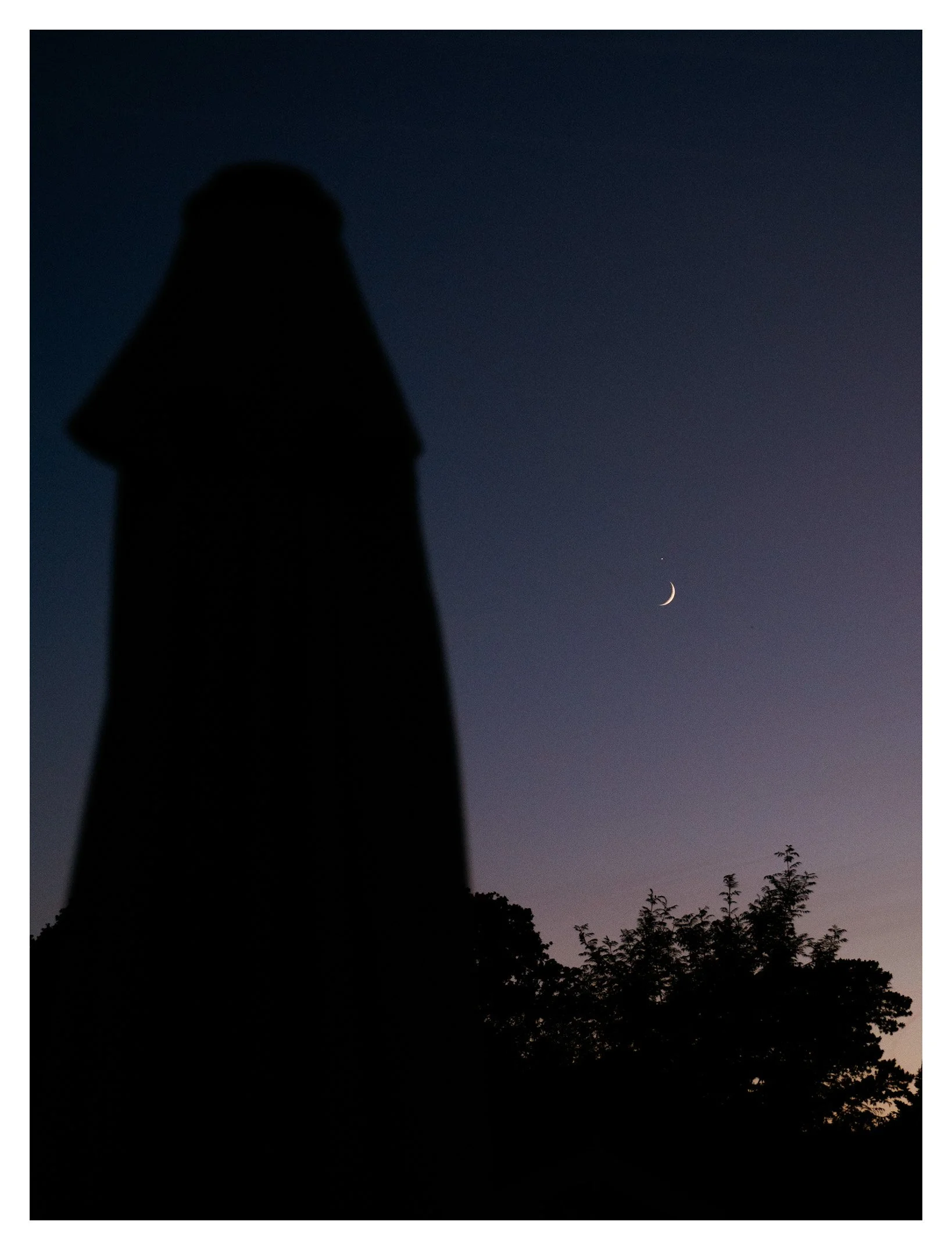
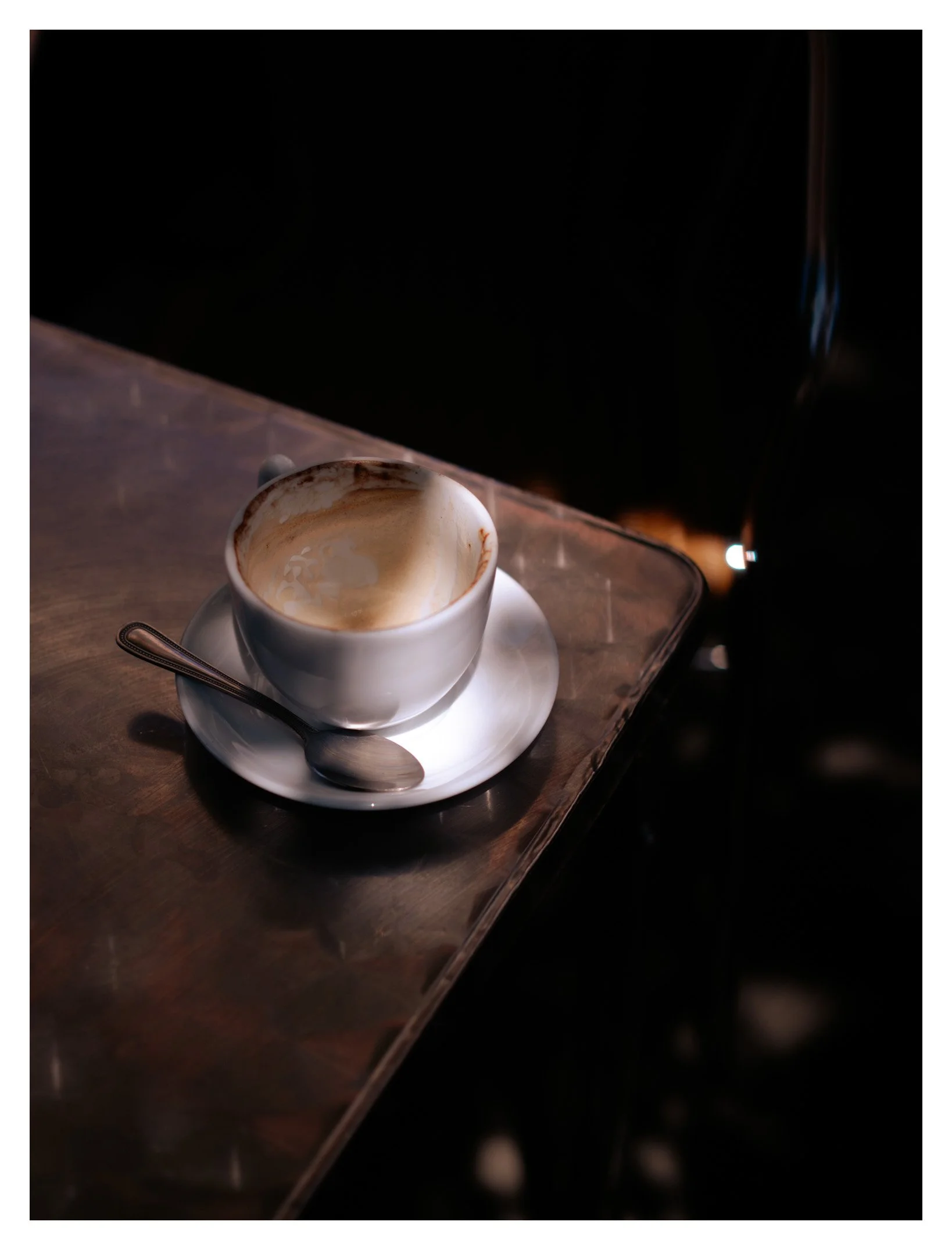
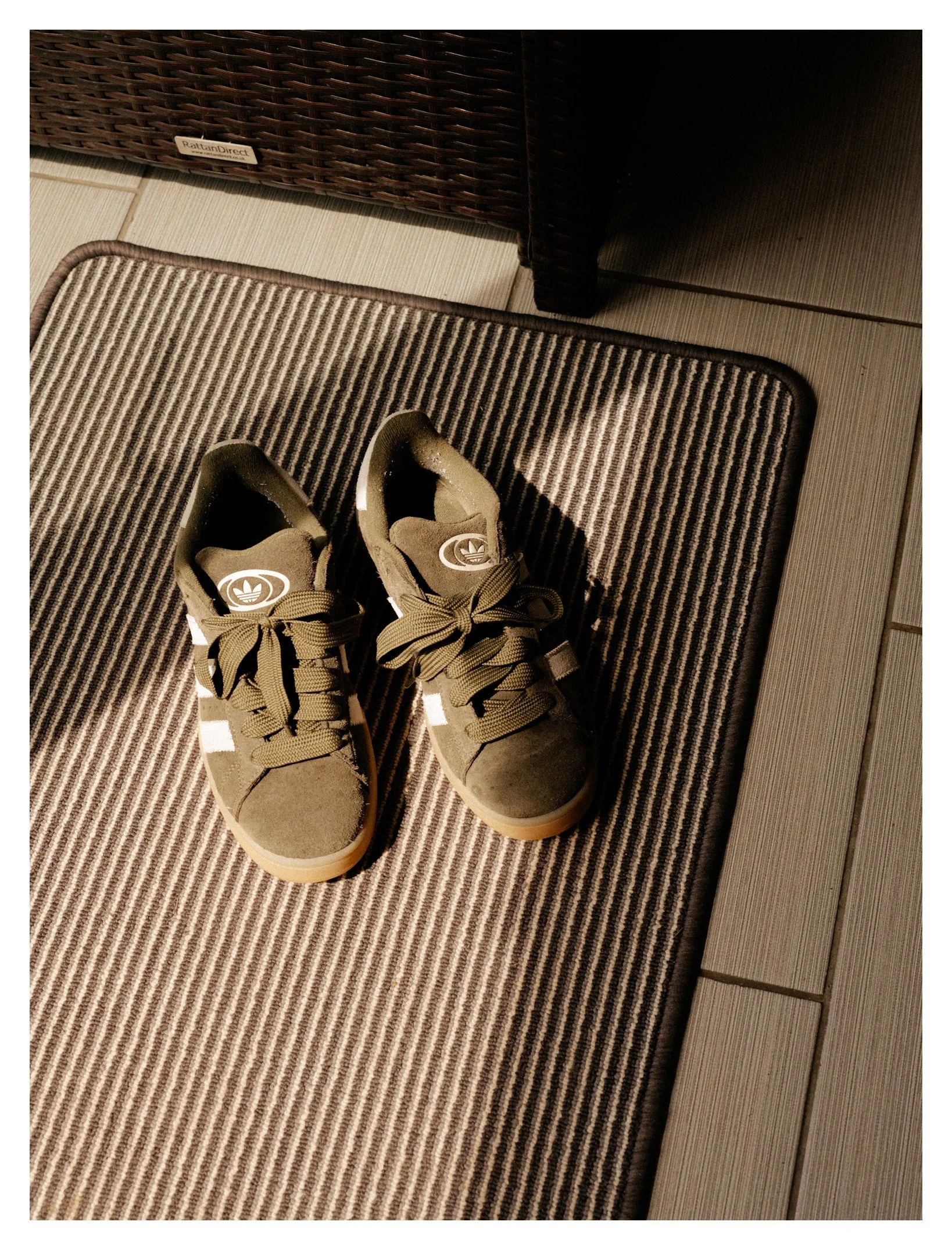
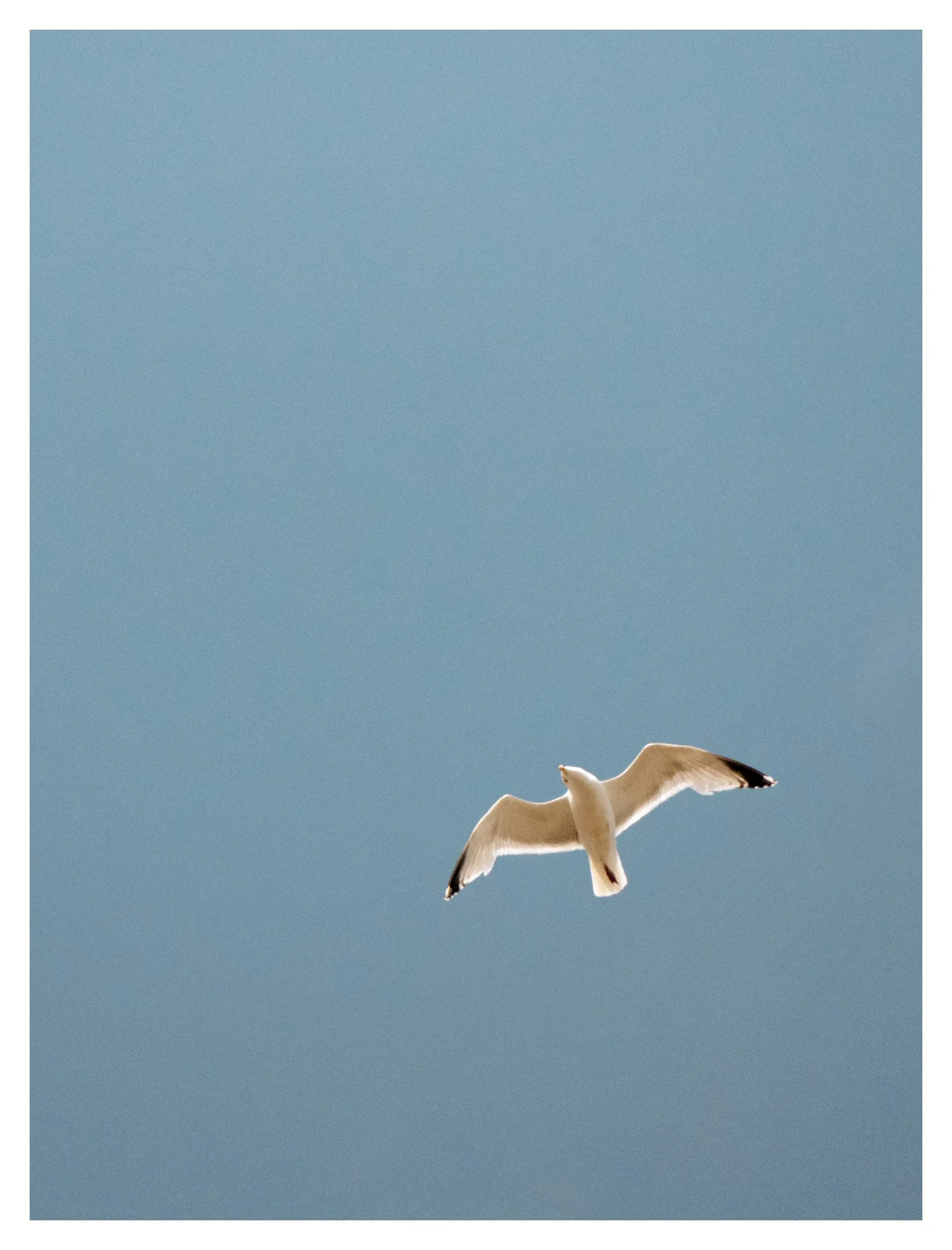
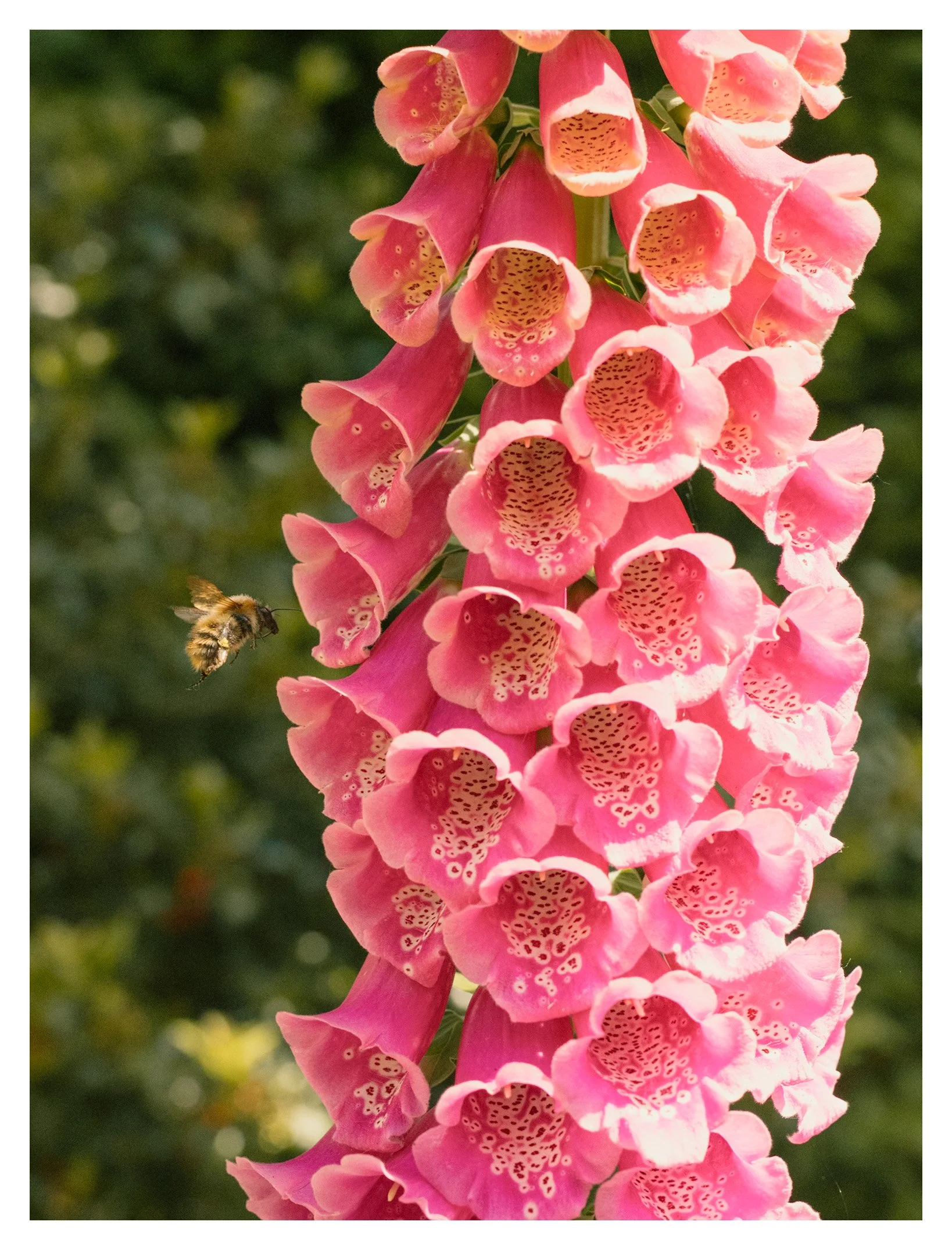
Some images I took on the Nikon Zf below.